

Errors are difficult to avoid completely, no matter where you work. However, these errors can be especially costly to an assisted reproductive technology/in vitro fertilization (ART/IVF) clinic. With large numbers of donor egg and sperm samples as well as embryos that need to be accounted for on a daily basis, mistakes must be avoided at all costs. Here, we’ll discuss some of the methods IVF clinics have implemented to reduce or outright eliminate mistakes.
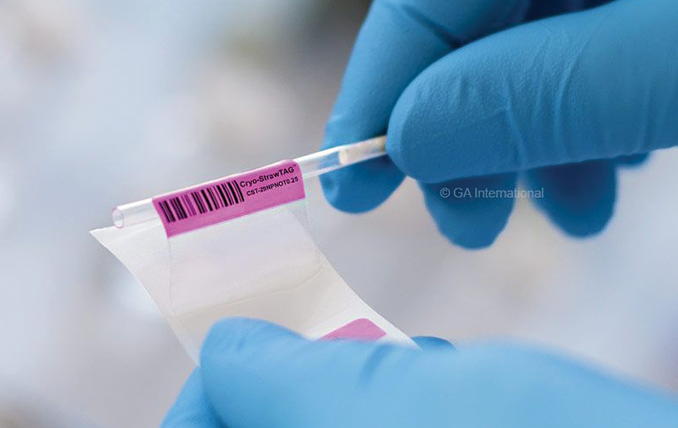
In vitro fertilization (IVF) clinics specialize in obtaining, storing, and culturing sperm and eggs from donors to generate live embryos. Because they handle large quantities of human-derived primary cells, these labs must be tightly regulated. The guidelines state that every device, including those used to cryogenically store sperm and eggs, must be clearly and permanently labeled with patient identification codes and the date the samples were taken. Many labs will also require that their devices have low levels of volatile organic compounds (VOCs).
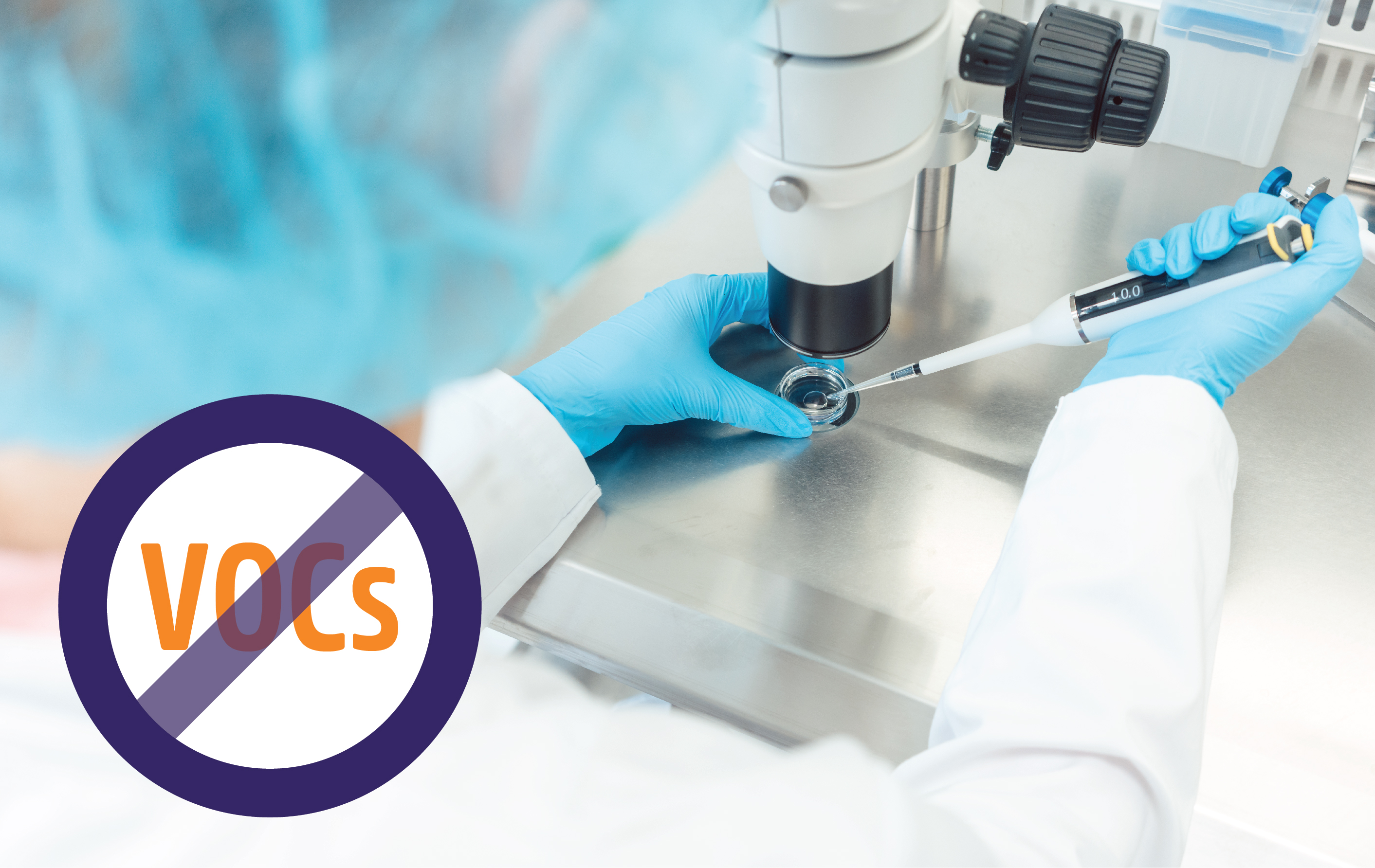
In vitro fertilization (IVF) is a common technique utilized by assisted reproductive technology (ART) facilities to fertilize donor eggs, and implant them back into the mother. In addition to performing IVF, these clinics frequently store eggs, sperm, and embryos. Unfortunately, manipulating these cells outside of the human body means they are exposed to many types of airborne pollutants, including volatile organic compounds (VOCs). Though embryos are considered extremely adaptable cells, exposure to VOCs can induce changes in gene expression and regulation, including imprinting and epigenetic alterations, which may affect the outcome of IVF procedures.