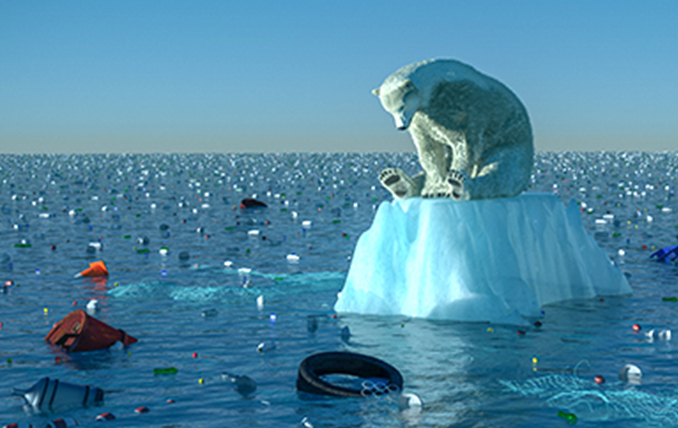
Climate change is a global phenomenon with wide-ranging and potentially disastrous effects for the entire human population. The consumption of fossil fuels (e.g. coal, oil, and gas) combined with mass deforestation has led to exorbitantly high atmospheric CO2 levels that were only last recorded 800,000 years ago. These high CO2 levels have resulted in a significant increase in the average global temperature, a key factor that has led to the polar ice caps melting at an accelerated pace, making the seas warmer and sea levels higher.1 Heat waves are much stronger than they used to be, record-breaking hurricanes occur much more frequently than before, and we’ve lost nearly 60% of the world’s wildlife.2 It’s been well-documented that these changes are a result of human activities, as worldwide economic and technological progress has led to a consistent increase in the amount of CO2 in the atmosphere. Altogether, this has led to a rise in the average global temperature of nearly one degree Celsius since 1901, with the rate of global warming having doubled since 1975.3