
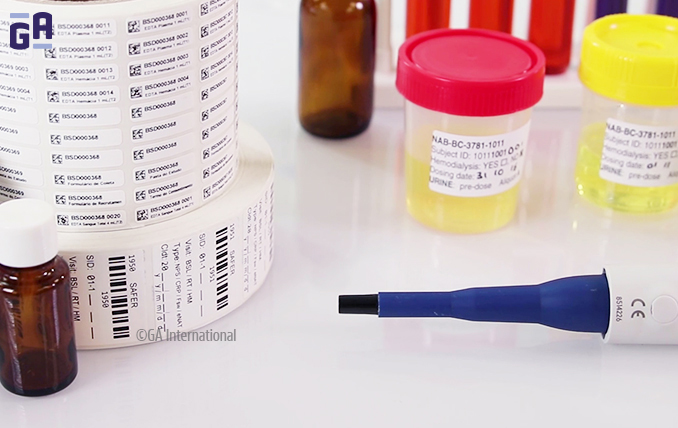
In 2015, the US Food and Drug Administration (FDA) began implementing the Drug Supply Chain Security Act (DSCSA), requiring pharmaceutical companies track prescription drugs as they are distributed. This is especially necessary for different drugs that come in similar packaging, as the barcodes are usually the primary means of differentiating the two. Though the FDA has provided strict guidelines for tracking approved drug therapies, there are still no specific guidelines for investigational drugs used in clinical trials. Here are some things to consider when deciding how to barcode clinical study drugs marked for production and distribution to research pharmacies.
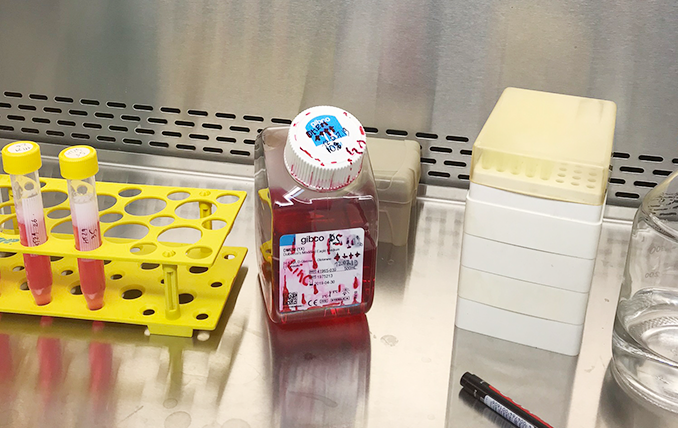
There are many ways to label samples in the lab, though some of these may not be particularly efficient. Here, we’ll review these labeling pitfalls and provide tips to remedy them, which will make your lab more productive and organized.
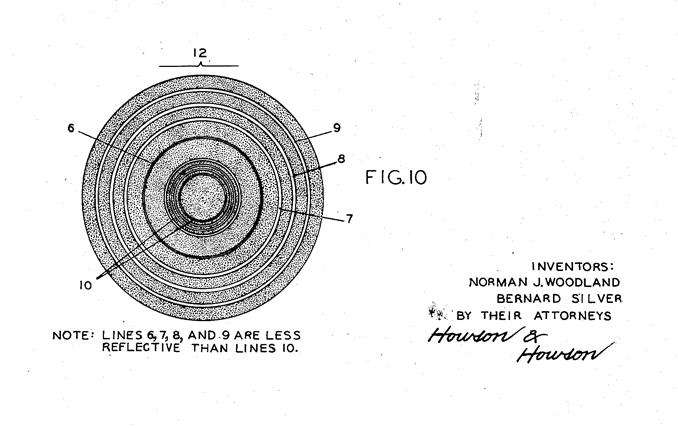
Barcodes are one of the best ways to track and trace items. They’re found everywhere, in supermarkets, industrial warehouses, labs, and medical facilities. However, barcodes didn’t just appear out of nowhere; a lot of time, effort, and hard work went into their initial development. Here’s the story of how they were first designed and patented more than 70 years ago.
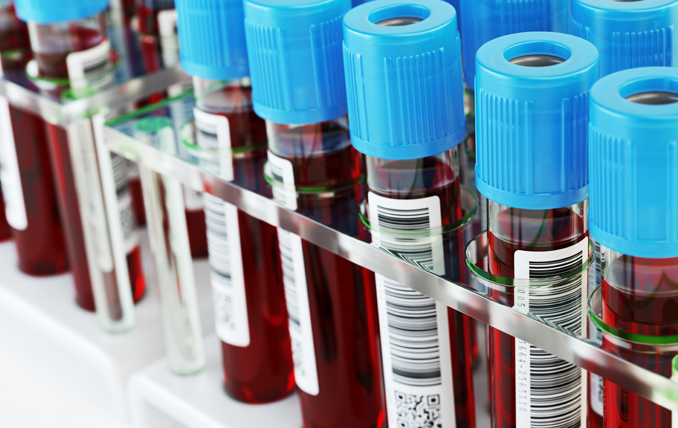
Appropriately identifying patient specimens is of critical importance to pathology labs. The College of Pathologists previously evaluated the average cost of labeling errors at approximately $280,000 per million specimens, adding up to over $1 million dollars a year for some of the larger institutes.1 Specimen labeling errors also result in the failure to provide proper and immediate care for patients, which can severely harm the patient, resulting in unnecessary morbidity and mortality.2

Barcodes are integral to your daily workflow, whether you’re a business, laboratory, or healthcare institution. For many businesses, they help track and trace inventory; for labs, they’re also necessary to identify samples and patient specimens. But what happens when the barcode fails to scan? Here are some reasons (and solutions) that might help you navigate through this unwanted situation.

BarTender is the most versatile label printing software available on the market. BarTender 2019, the software’s first full update since 2016, was released this year with changes that yield additional functionality and a more streamlined database creation process. Here, we review the top 4 new additions that will improve how you manage databases and print labels with BarTender.
%20678%20x%20428px.png)
The definition of LIMS is ever-evolving, with the technology used to develop it continually advancing and the needs of laboratories frequently changing. What remains constant, however, is the need to streamline sample tracking and traceability, data collection, and report generation. This is a continual pressing concern for the managers of academic, clinical, pharmaceutical, and biotechnology labs, which are always looking for new solutions. LIMS was created to help fulfill these needs by automating the reporting process, managing data and inventory, monitoring workflows, assigning tasks, and storing data.

Many industries require barcodes to track their inventory, samples, and equipment. To integrate the data from the barcodes into a tracking system, the barcodes must be scanned when each item is processed. So, how do scanners relay the information from barcodes to a computer?

Barcodes are used worldwide as one of the most efficient means of tracking packages and containers. However, the use of barcodes is not solely limited to labels. Living organisms can also be barcoded genetically, allowing individual cells to be monitored and tracked.
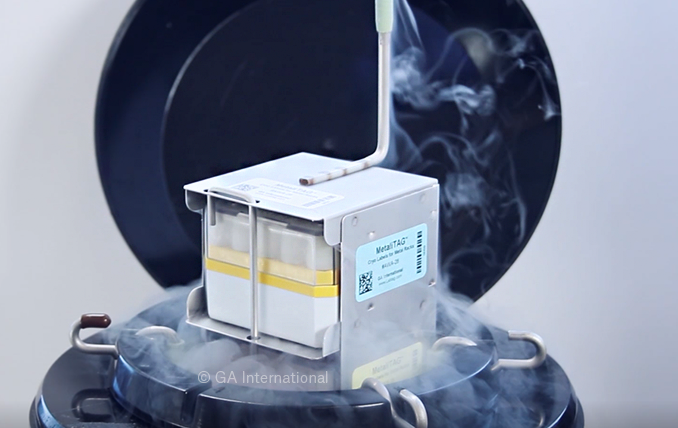
As any lab will attest, organizing your bank of cell lines is key to ensuring that your research runs smoothly and efficiently. However, this is easier said than done. How often do students and post-docs go searching for a specific cell line or passage number, only to discover that they cannot find what they’re looking for or that they’ve run out of the cells they need? Here are 4 simple ways that proper labeling can safeguard your lab against mismanaged cell line banking.