
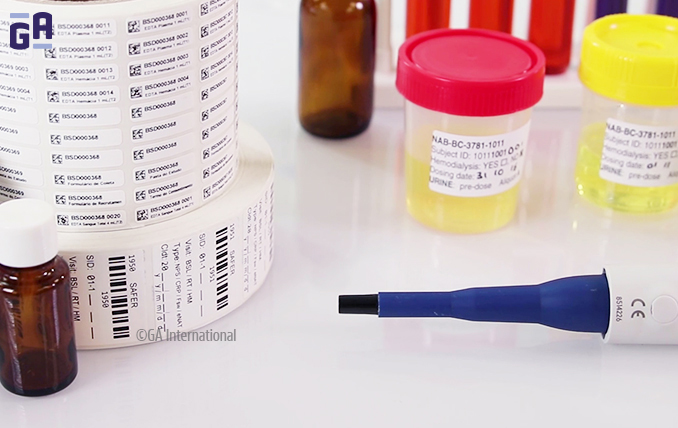
In 2015, the US Food and Drug Administration (FDA) began implementing the Drug Supply Chain Security Act (DSCSA), requiring pharmaceutical companies track prescription drugs as they are distributed. This is especially necessary for different drugs that come in similar packaging, as the barcodes are usually the primary means of differentiating the two. Though the FDA has provided strict guidelines for tracking approved drug therapies, there are still no specific guidelines for investigational drugs used in clinical trials. Here are some things to consider when deciding how to barcode clinical study drugs marked for production and distribution to research pharmacies.

So, it’s your first time running an experiment? Doesn’t matter if it's something as straightforward as PCR or as complex as ChIP, you'll need to figure out what you’re doing and the best way to do it. A well-run lab usually has a large dictionary of standard operating procedures (SOPs) for a variety of techniques. But what if your lab doesn’t have a protocol for the technique you require? Here, we’ll review some best practices for developing your own set of SOPs in the lab and how they’ll help you and others in your lab get consistent results.

Canada has recently passed new legislation legalizing cannabis throughout the country. Lineups at government-regulated stores were seen all over the country, with people eagerly awaiting legally sold marijuana for the first time ever in Canada. The demand is high, with many shops around Canada quickly selling out of many popular products on day 1. As the market is set to explode, the Canadian government has begun to invest heavily towards cannabis research, with the Canadian Institutes of Health Research funding around $20 million worth of projects within the last 5 years and ready to dole out another $3 million in the next few months.
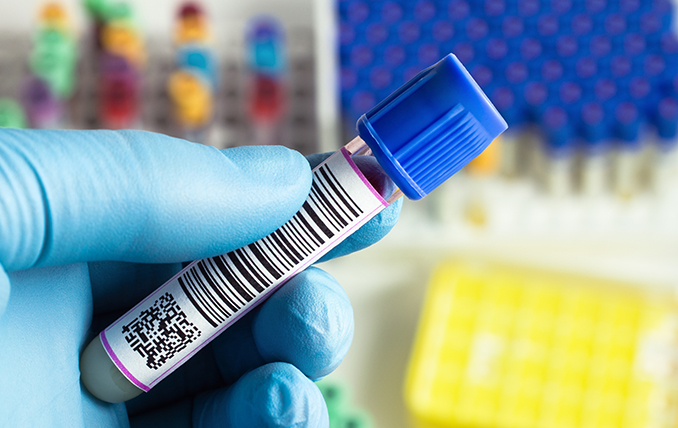
The continued globalization of clinical trials has created a new set of strategic, administrative, and linguistic challenges. This is in addition to the progressively more complex regulatory environment that the pharmaceutical industry must contend with, both locally and abroad. The use of labeling plays an important part in addressing these challenges but is often overlooked. Here, we will review some of the more prominent difficulties encountered during the clinical trial process and how the proper labeling solution can help.