

Histology, the study of the anatomy of cells and tissues, is an important field of research used by researchers and physicians. While researchers seek to understand how each individual cell affects the function of tissues and organs, physicians study the histopathology of tissues, to see how they change in those affected by disease. Proper labeling of tissue samples at each step of the tissue preparation process is critical to the interpretation of histopathologic results, which are relied upon to correctly diagnose patients. However, histological techniques present unique obstacles for proper labeling that will often require innovative identification solutions to overcome.
Recent Posts
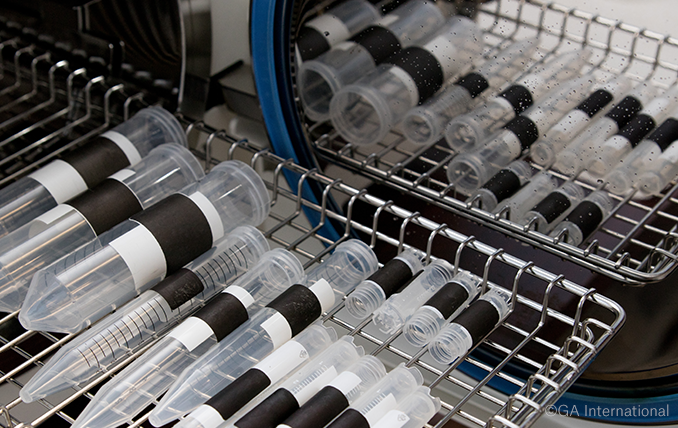
In both clinical and research labs, it is often necessary to label material or equipment with sensitive information. This can include patient information or confidential experimental data. Once the patient is discharged, or the samples are either processed or no longer needed, these labels must be discarded; however, the information on the labels must still remain private. In certain cases, this may prove to be more difficult than anticipated. Here are 3 unique label options to help ensure that discarded material can’t be used to procure sensitive information.

Whether you’re working in a small university research lab or for a large pharmaceutical company, saving money is a key priority. This includes saving on small expenditures, like labels, which can add up over time. Unfortunately, saving money isn’t as easy as pushing a button. Below you’ll find some tips you can follow to reduce costs when choosing your ideal labeling solution.
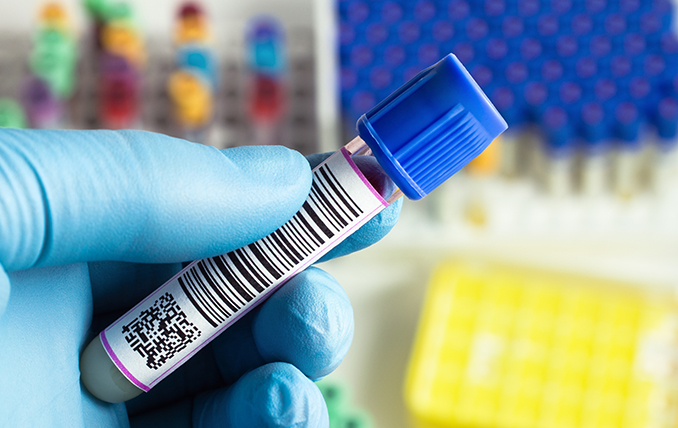
The continued globalization of clinical trials has created a new set of strategic, administrative, and linguistic challenges. This is in addition to the progressively more complex regulatory environment that the pharmaceutical industry must contend with, both locally and abroad. The use of labeling plays an important part in addressing these challenges but is often overlooked. Here, we will review some of the more prominent difficulties encountered during the clinical trial process and how the proper labeling solution can help.

In our previous post we introduced the basics of how Radio-Frequency Identification (RFID) works. We also briefly touched upon the way it might help researchers in the lab. Here we will go more in depth over the many uses for this novel technology in the research environment.
.jpg)
If you've read our previous blogs, you already know about printing and barcode technologies and the key role they play in improving identification, traceability and productivity. But did you know that there's another power technology that businesses and laboratories are using to accomplish even more? Radio Frequency Identification (RFID) is an established technology dating back to its earliest prototypes in 1973, when engineer Mario Cardullo first patented a device that could emit a coded signal in response to remote radio frequencies. Today it exists as a powerful identification tool used in a wide array of industries. It can keep record of medications in hospitals, allow authorized personnel in secure areas, and provides invaluable support to inventory and supply chain tracking. It’s likely that you’ve encountered this technology in your day-to day life, whether speeding through checkouts with your tap-to-pay chip, stepping through scanners on your way out of the store, or scanning your toll pass on the way to work.
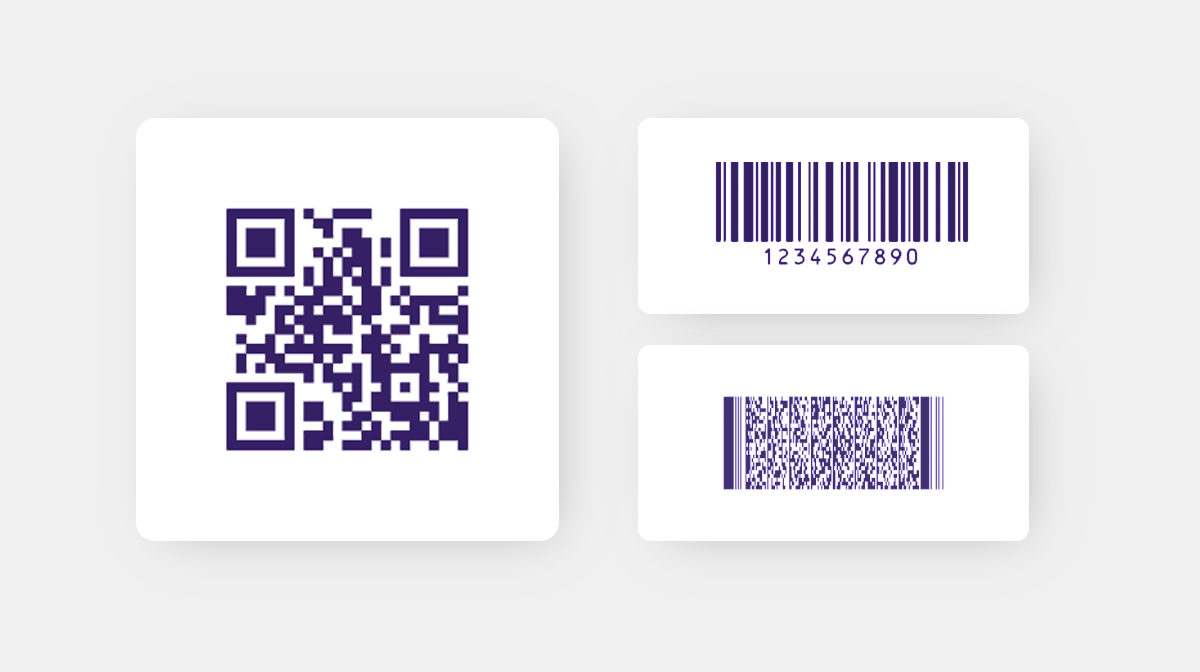
Previously, we established that thermal printers are ideal for printing barcodes. The use of barcodes has multiple advantages, including improved data management and lower costs. With a wide range of uses, barcodes can be used everywhere from retail stores, to hospitals, and industrial work sites. However, barcode labels are not one size fits all, with different types of 1D and 2D barcodes each having their specific uses. Here we’ll give a brief overview of the different options available, to help you chose the barcode that will best suit your needs.
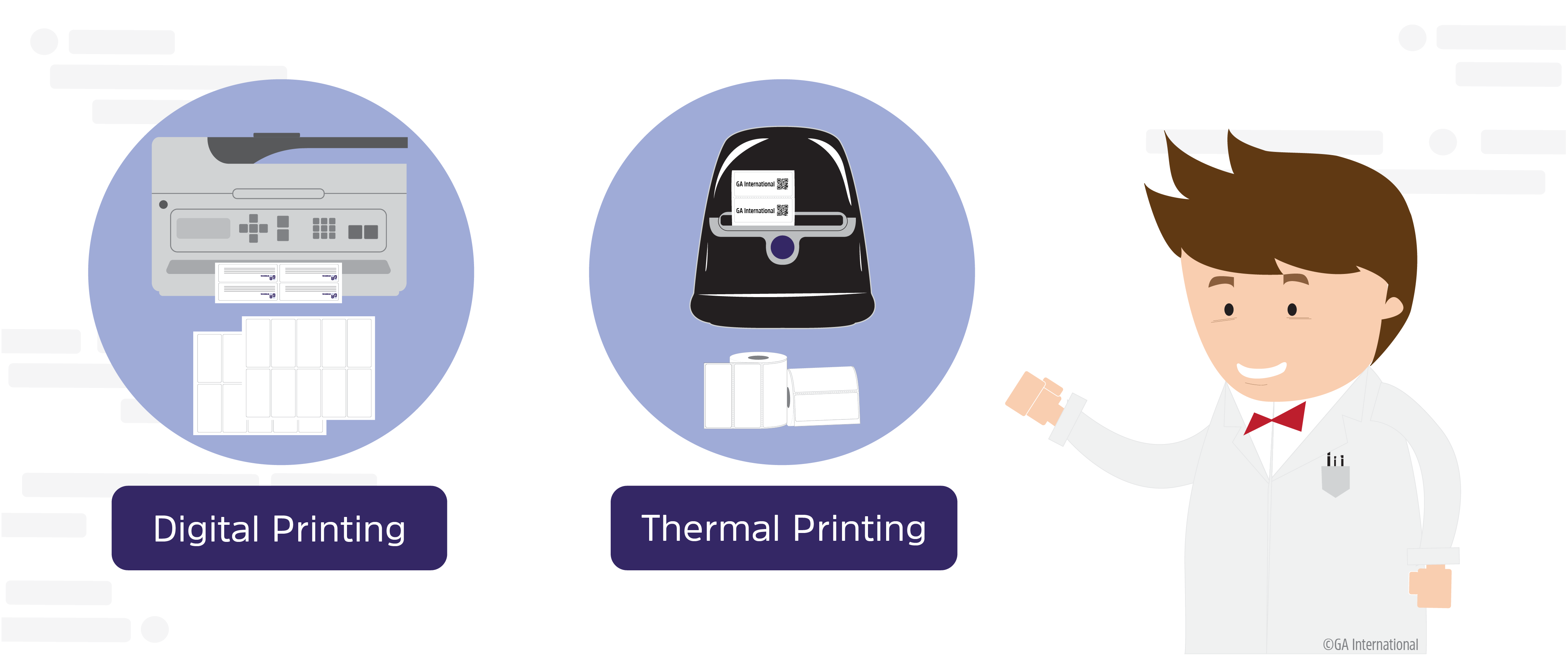
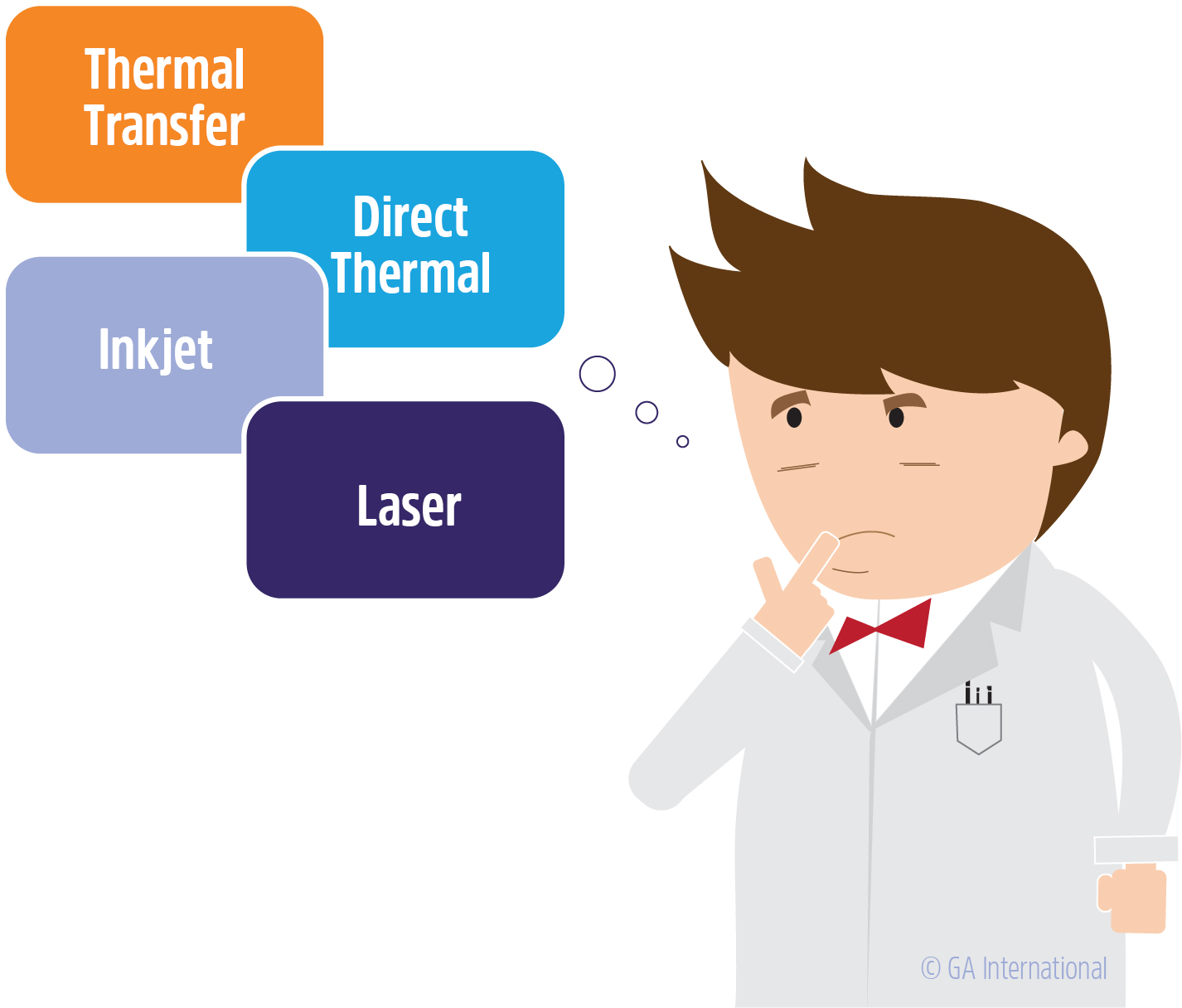
When choosing the print-on-demand labeling solution that’s right for your application, it is important to take into consideration what printing method you will be using. The choice of a printer can greatly affect the durability of your labels, as well as the type of applications they can be used in. There are several options available to choose from, each with their own benefits and drawbacks.

We’re all familiar with the devastating consequences that can occur when critical information is mishandled in a labor the clinic: the patient or sample ID is incorrect and the wrong lab result is reported in the clinic, resulting in a patient receiving improper healthcare. This can be compounded by the fact that in clinical studies, a patient’s information and samples are often collected, tested, and analyzed off-site, and sometimes pass through the hands of numerous lab personnel in multiple locations, making it even harder to maintain a corroboration between patient and sample. In rare cases, evidence tampering leads to a wrongful conviction, or sample labeling errors lead to a disastrous mix-up at a fertility clinic!
The Design of a Label
While at first choosing the right label might sound simple, the reality is, labels have evolved over the years to become complex in terms of their material, physical properties and applications. As such, what was once a straight-forward exercise has become quite daunting due to the large variety of options available. To ensure you pick the best label for the job, there are few things to consider, including the cost. Before deciding on which type of label is right for your unique needs, let’s review the basic anatomy of a label.