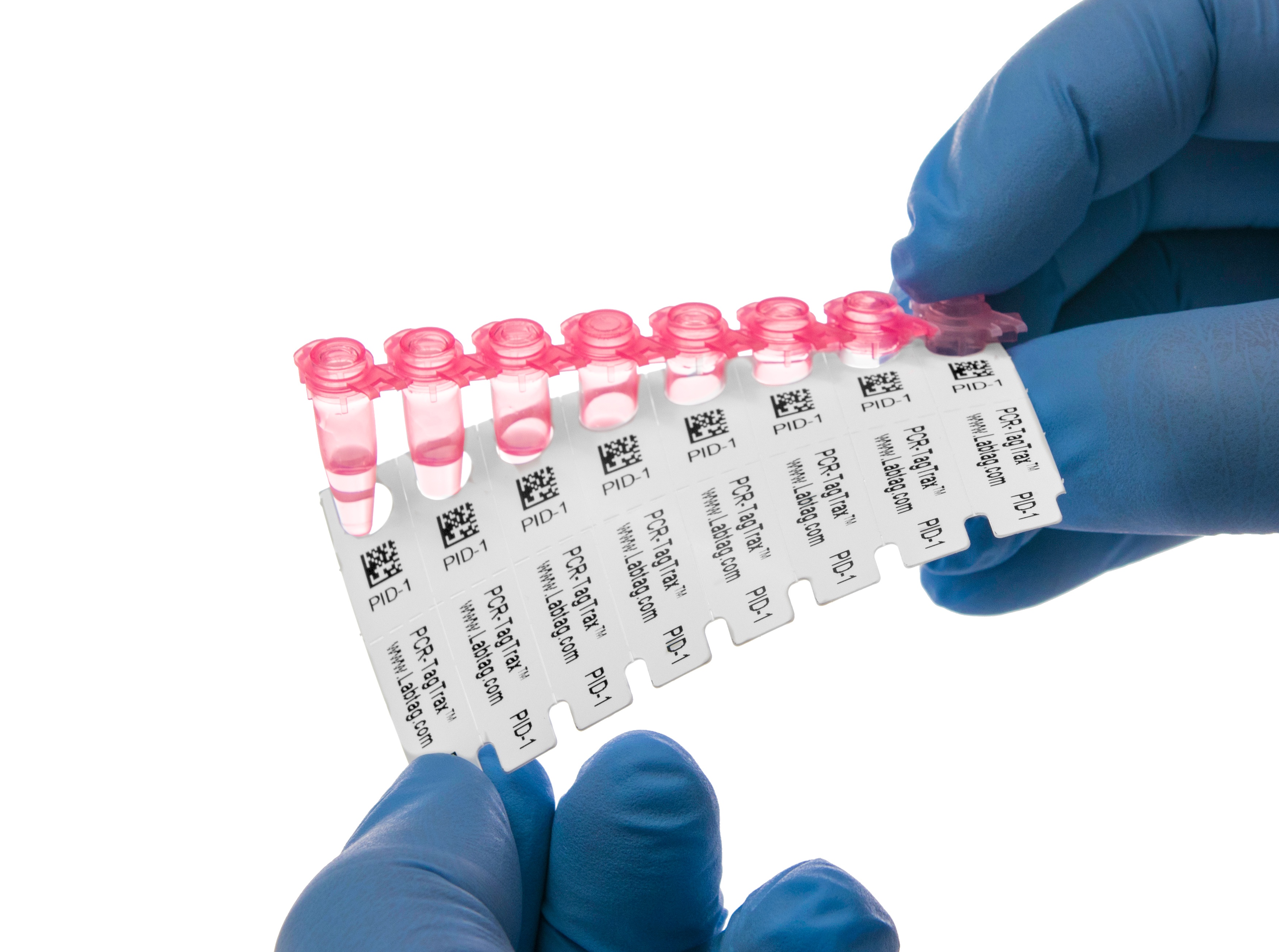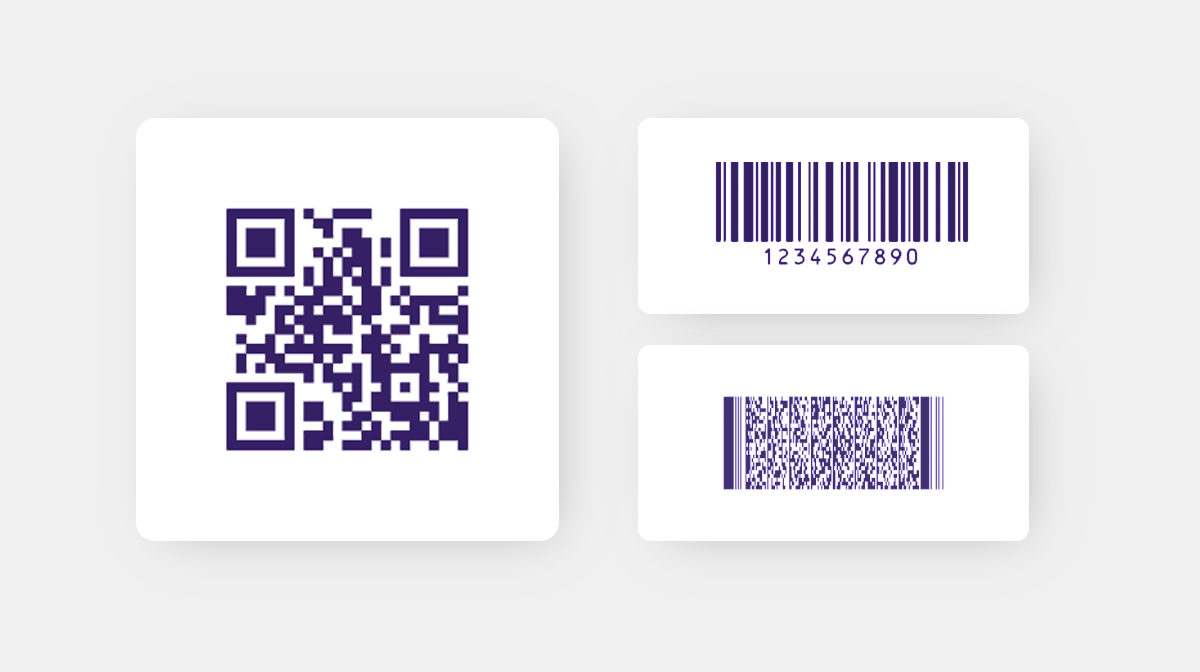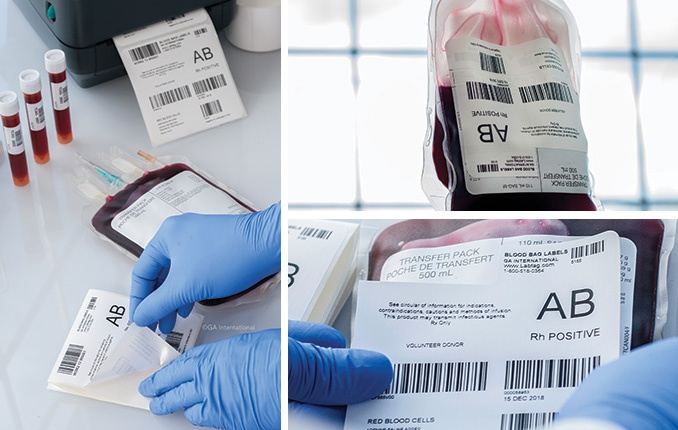
Healthcare institutions tend to use diverse systems for labeling specimens, each incorporating fail-safes at different levels of collection and processing. Many hospitals practice the Swiss cheese model of error prevention, using multiple layers (or fail-safes) to cover up any possible holes, preventing errors from slipping through.1 When it comes to reducing labeling errors, researchers have identified several types of interventions that act as additional fail-safes, many of them incorporating modern technology, such as barcodes, radio frequency identification (RFID), and automated systems.
For Part 1 of the series, detailing the costs of labeling errors in the clinic, click here.