
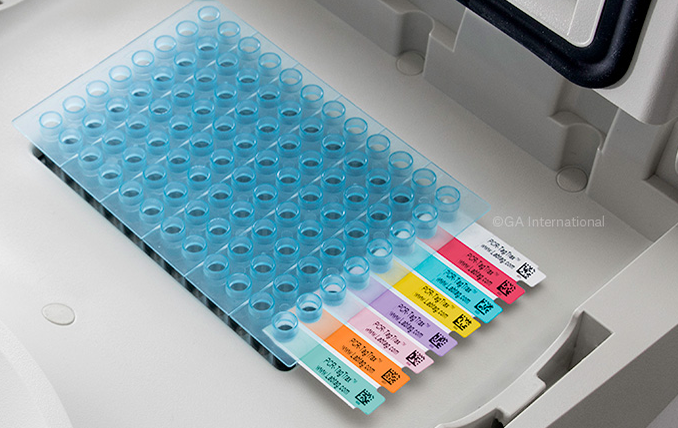
Polymerase chain reaction (PCR) is one of the most widely used techniques among biomedical researchers, forensic scientists, and medical laboratory professionals. It’s employed for genotyping, sequencing, cloning, and gene expression analysis to name only a handful of its applications. Labeling PCR tubes and strips is no easy feat, however; they are relatively small, providing little space for information, while skirted quantitative PCR (qPCR) plates can only be labeled on their side.
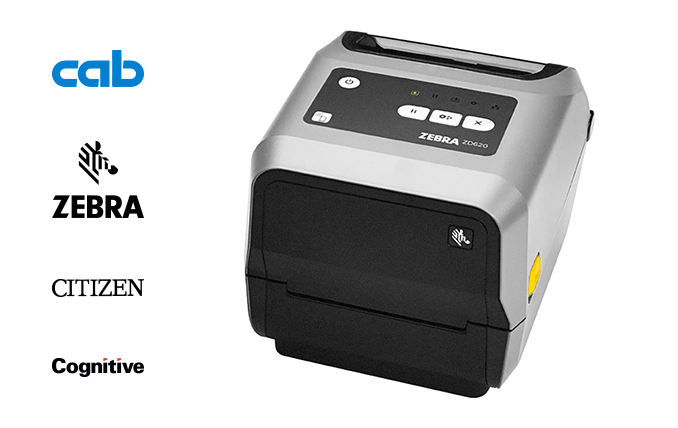
So, you’ve decided to make the switch to a thermal-transfer barcode printer. Whether this is because your label printout keeps smearing due to chemical exposure or your having difficulty scanning your barcodes, there are some key factors you can expect to encounter when making the switch from laser to thermal-transfer printing.
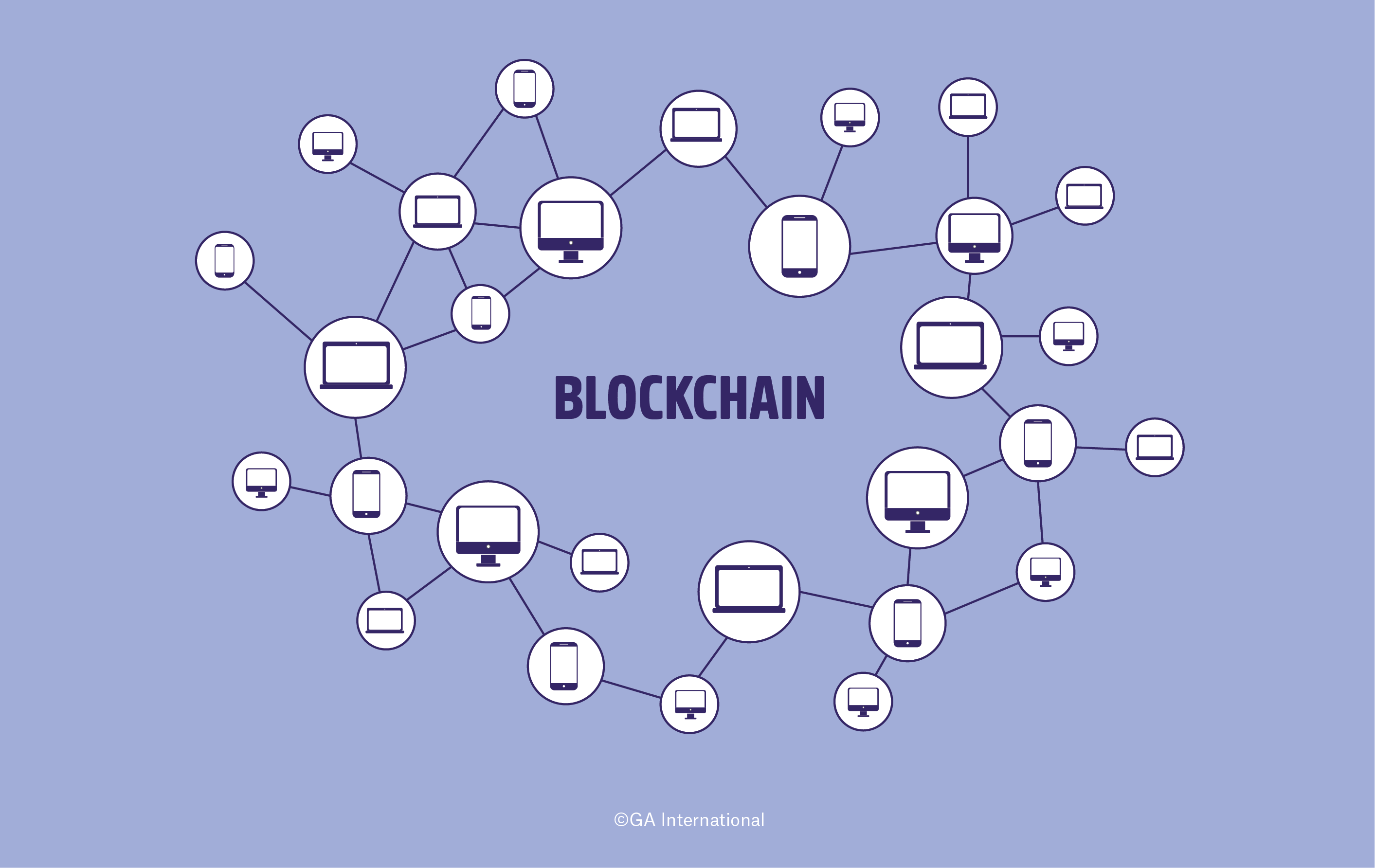
In 2018, the term “Blockchain” was one of the most searched terms by scientists on Google.1 This technology first appeared ten years earlier as the driving force behind the cryptocurrency, Bitcoin. Since then, many have followed suit, creating more than 2000 different cryptocurrencies worth hundreds of billions of dollars.2 Blockchain is now being implemented in the healthcare industry, with the opportunity to solve many issues currently plaguing healthcare institutions and companies alike.
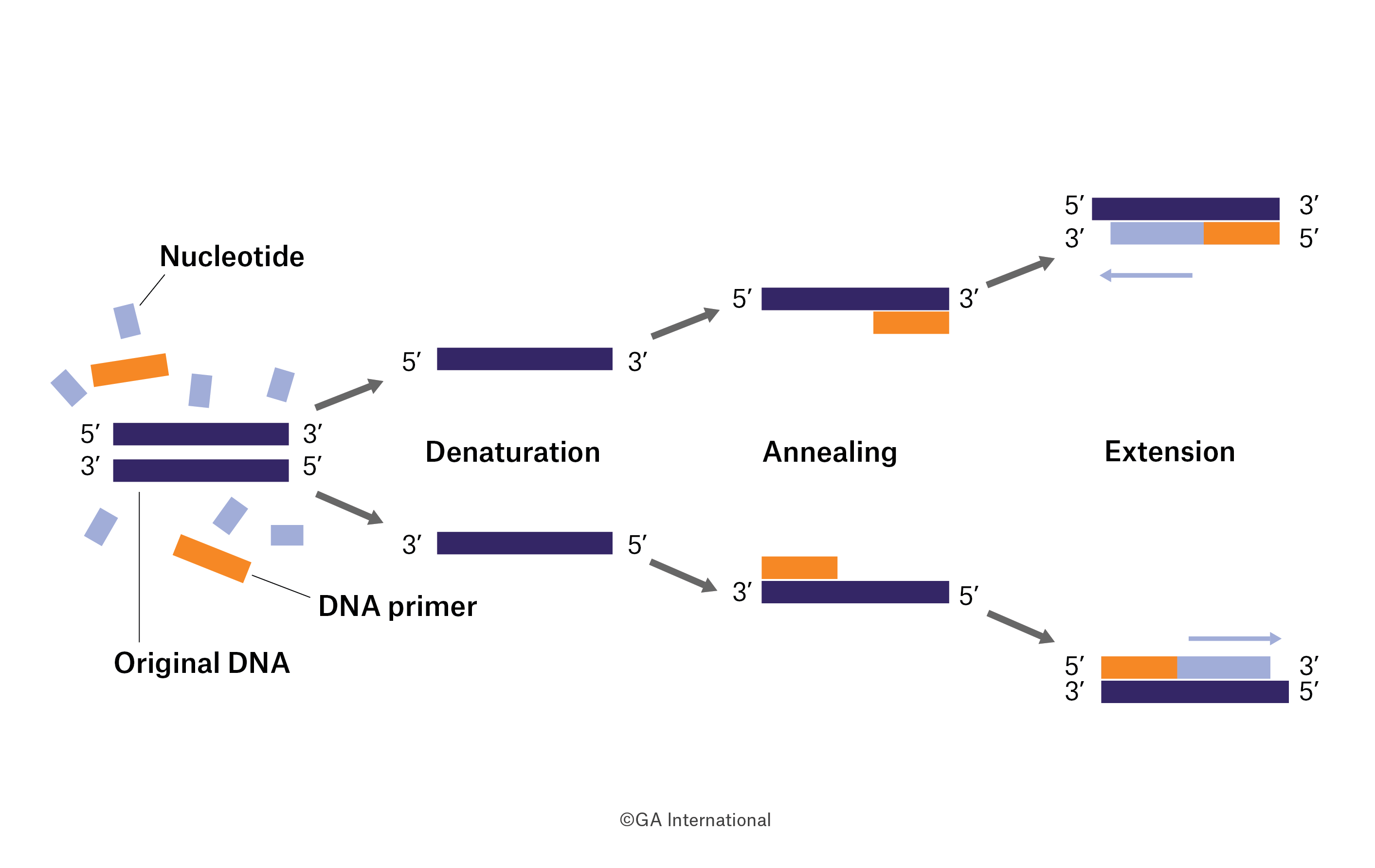
Polymerase chain reaction (PCR) is one of the most universally used techniques in biology. It’s an integral part of any student’s curriculum and most biomedical scientists have performed PCR or, at the very least, relied on PCR data. Clinical labs also frequently employ PCR to help diagnose patients. With so much relying on one technique, it’s worth revisiting the origins of PCR and how its current iterations—real-time PCR (RT-PCR) and digital PCR—came to be.

Repetitive stress injury (RSI) is a serious condition that’s frequently associated with lab work. The daily routine of pipetting and other repetitive movements can lead to tissues, like muscles, tendons, and ligaments, wearing down. The resulting picture isn’t bright: chronic pain, aches, cramping, swelling, tingling, and numbness are just some of the symptoms of RSI. Some even suffer from full-blown RSI-associate syndromes, like carpel tunnel syndrome, tendonitis, or tenosynovitis (inflammation of the fluid-filled sheath around the tendon).1
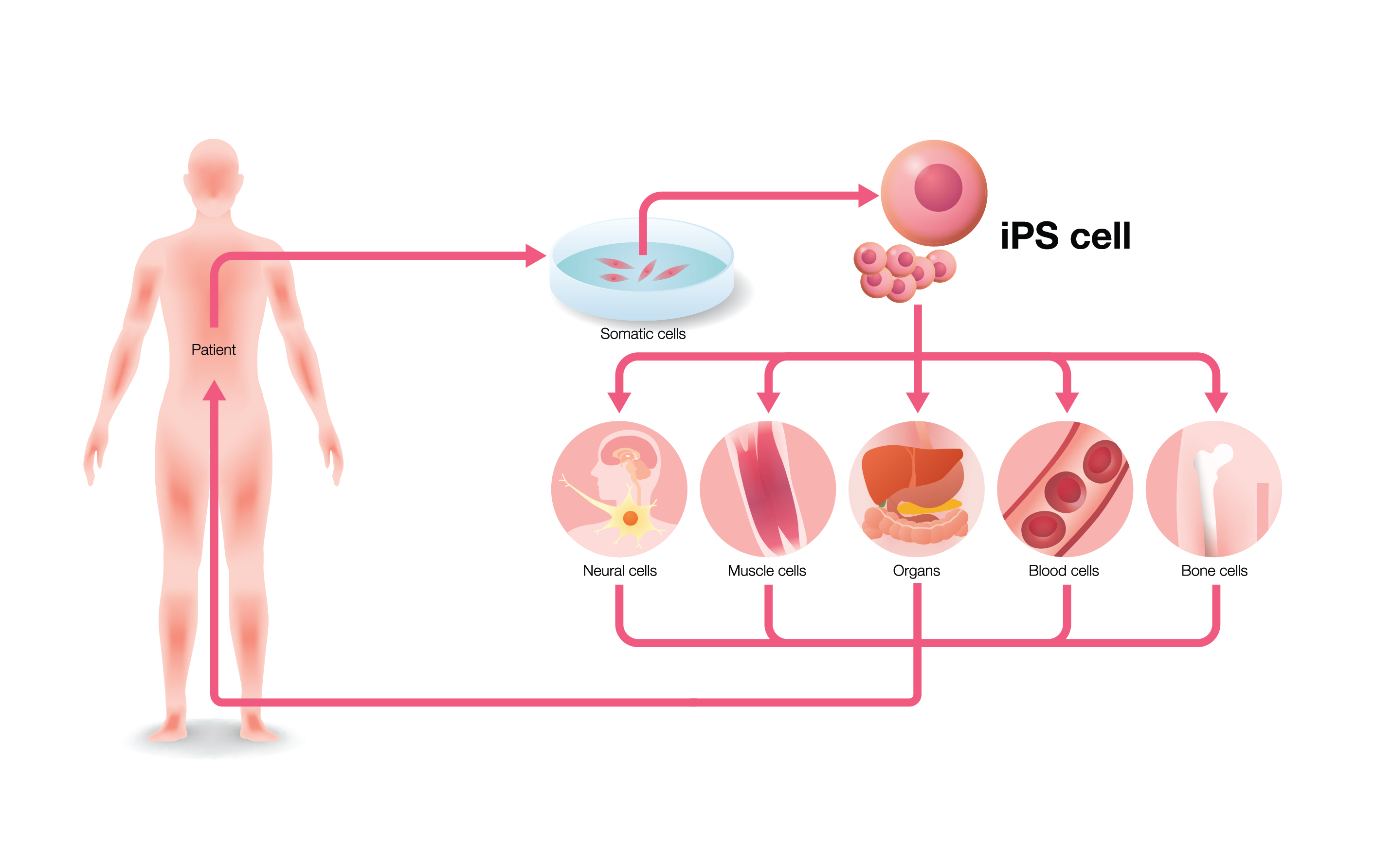
Just a couple years ago, I was a research associate working at McGill University in the Meakins-Christie Laboratories, studying a rare disease called lymphangioleiomyomatosis, or LAM. LAM is a progressive, cystic disease afflicting young women with noncancerous lung tumors that can destroy lung function, making the disease potentially fatal. My job was to understand where these tumors came from and what made them propagate throughout the lungs. There was one unfortunate caveat: no one had been able to grow LAM tumor cells outside of the body. As anyone who has ever worked with cancer biology can attest to, there are a multitude of immortalized cancer cell lines, grown from the cells of a patient’s tumor, that can be studied to perform pre-clinical translational research. And yet, not a single representative cell line was available for LAM. Thankfully, my supervisor set me up with just the right project to help solve this puzzle, which centered around induced pluripotent stem cells (iPSCs).
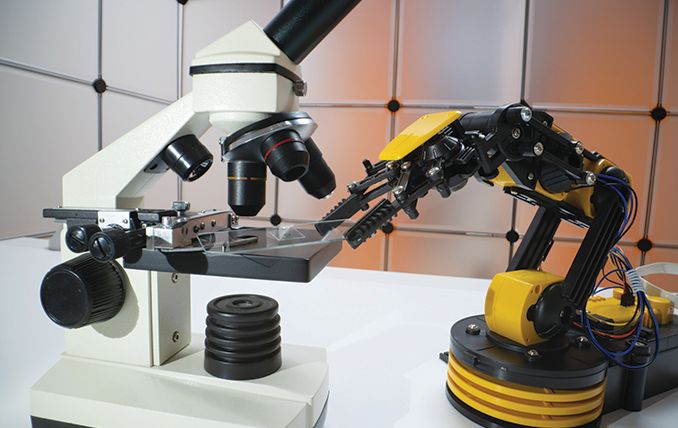
Artificial intelligence (AI) is one of the fastest growing new technologies of the last couple of years. As computing power has increased, so has the potential for using AI in the clinic, with researchers focusing on its role in solving complex biological problems and making healthcare more effective and efficient. AI isn’t an entirely new technology in histology and pathology; dating back to 1992, attempts have been made at introducing some basic form of AI, such as the PATHFINDER system for hematopathology diagnosis.1
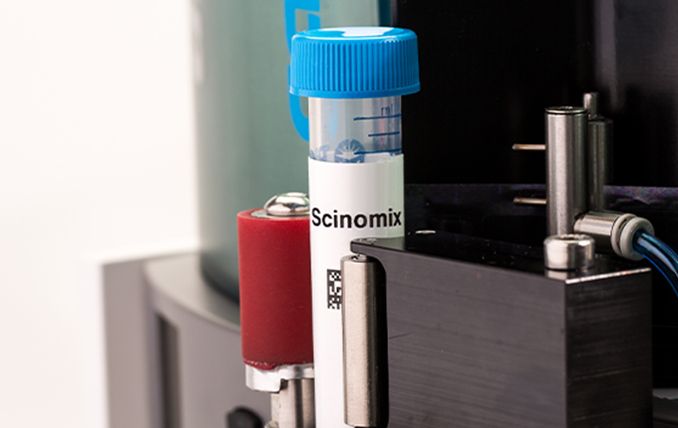
Many labs are inundated with a high volume of samples on a regular basis. Pharmaceutical and biotechnology labs can process thousands of samples daily, while medical labs are regularly bombarded with patient specimens. Because tube labeling can take up a significant portion of your day, having a system in place that can streamline the process is a necessity. For large labs, that includes having an automated labeling system.

The definition of LIMS is ever-evolving, with the technology used to develop it continually advancing and the needs of laboratories frequently changing. What remains constant, however, is the need to streamline sample tracking and traceability, data collection, and report generation. This is a continual pressing concern for the managers of academic, clinical, pharmaceutical, and biotechnology labs, which are always looking for new solutions. LIMS was created to help fulfill these needs by automating the reporting process, managing data and inventory, monitoring workflows, assigning tasks, and storing data.
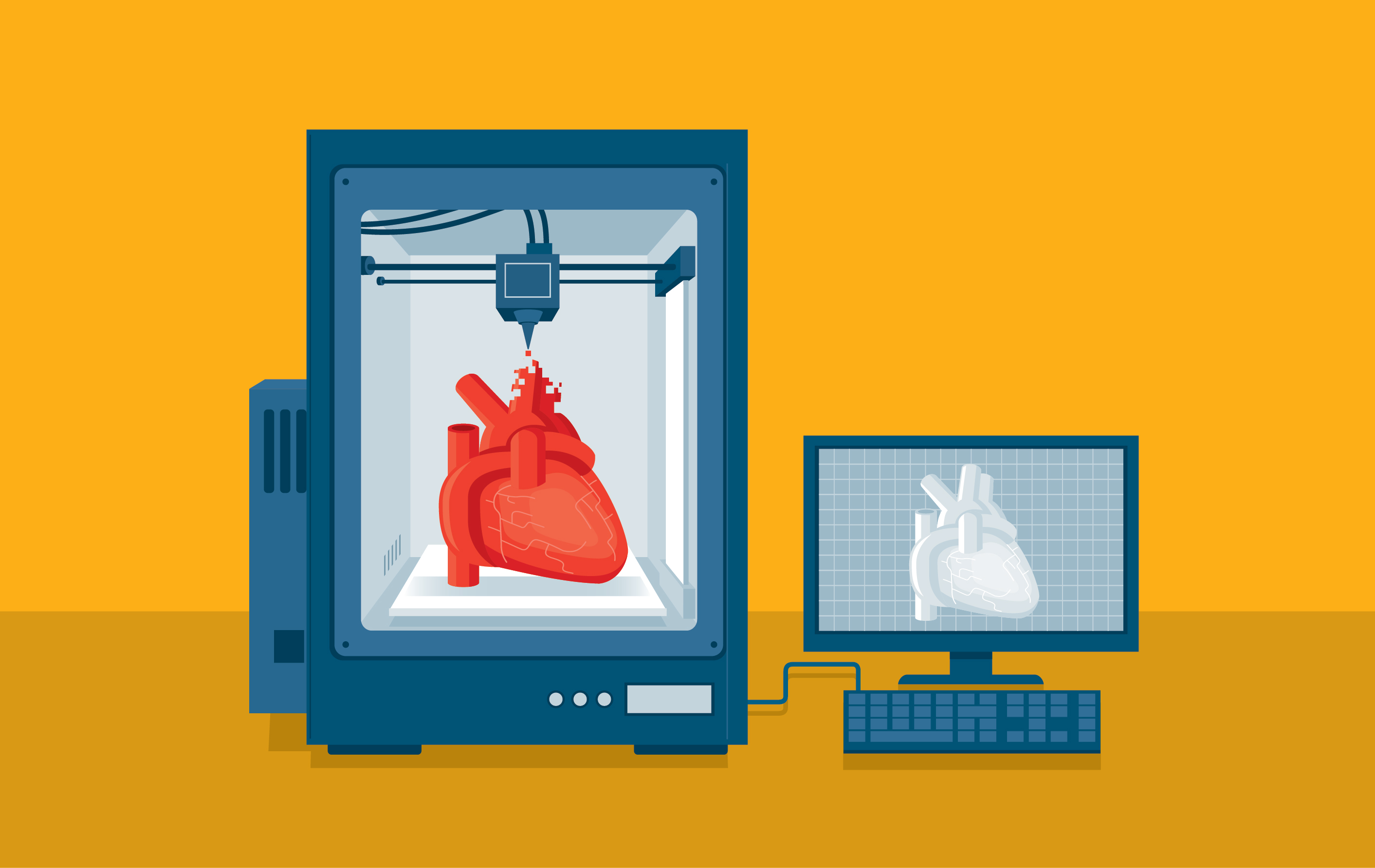
When you hear 3D printing, what do you think of? Perhaps you imagine creating inanimate objects like chairs, wrenches, or toys out of construction materials (e.g. plastic, ceramic, or metal). The uses of additive printing have evolved way past that and now serve an important role in medicine and research.