

Infection Control and Prevention (IPAC) Canada and the Centers for Disease Control and Prevention (CDC) have stringent guidelines on the sterilization and logging of equipment used in dental offices. Among the requirements, any material that’s registered as a “critical” or “semi-critical” item, which includes surgical instruments, mouth mirrors, amalgam condensers, reusable impression trays, and anything else that contacts mucous membranes or non-intact skin, needs to be sterilized.1,2

Polymerase chain reaction (PCR) is one of the most widely used techniques among biomedical researchers, forensic scientists, and medical laboratory professionals. It’s employed for genotyping, sequencing, cloning, and gene expression analysis to name only a handful of its applications. Labeling PCR tubes and strips is no easy feat, however; they are relatively small, providing little space for information, while skirted quantitative PCR (qPCR) plates can only be labeled on their side.
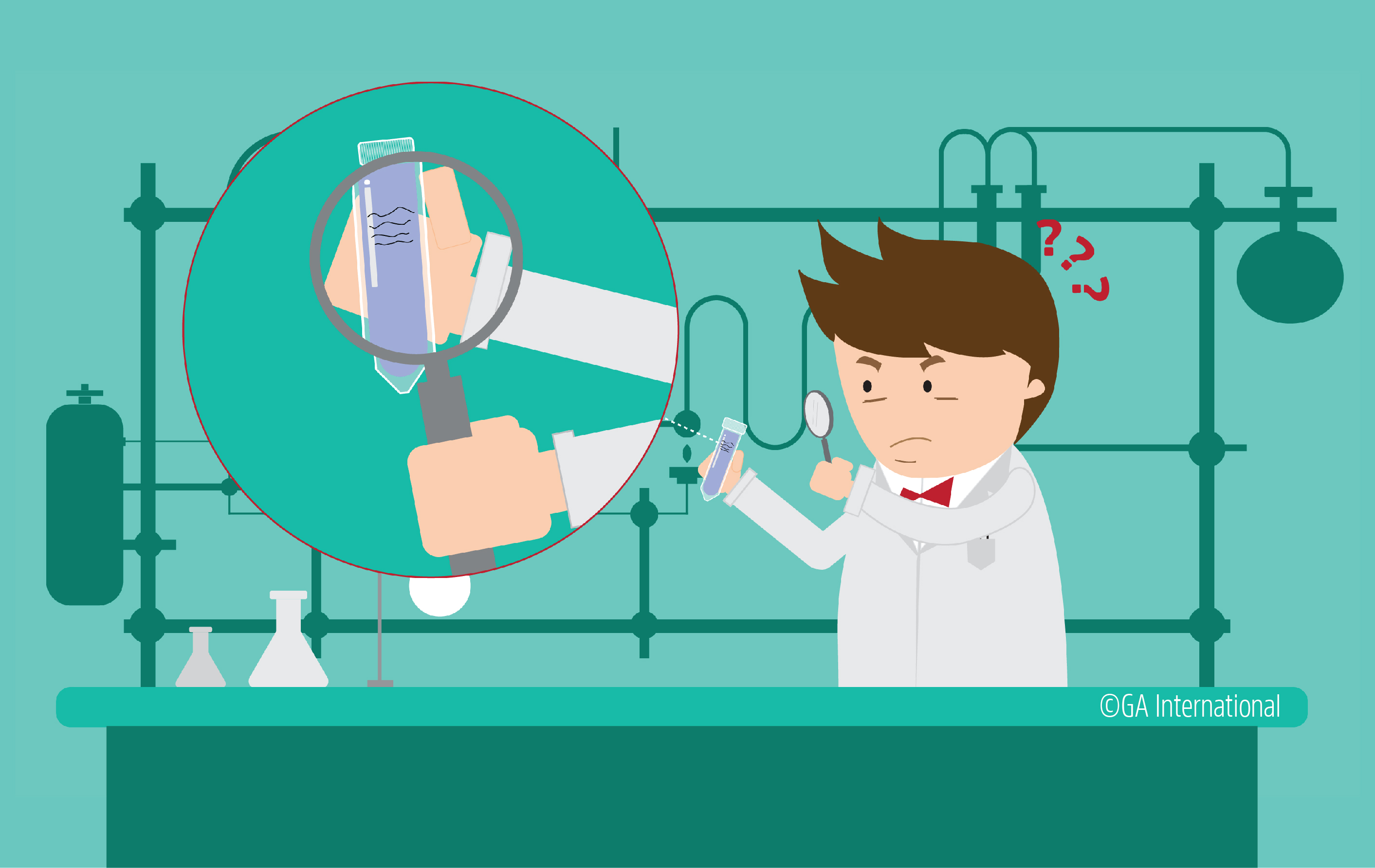
Everyone, at some point in their scientific career, has come across a technique that is made far more difficult than necessary because of how difficult it is to label their samples. However, whether your labels keep falling off, or the ink is continually smudging or fading, there’s usually an efficient solution to the problem. Below, we’ve listed several of the top experimental techniques that drive scientists crazy when it comes time to label tubes and slides.
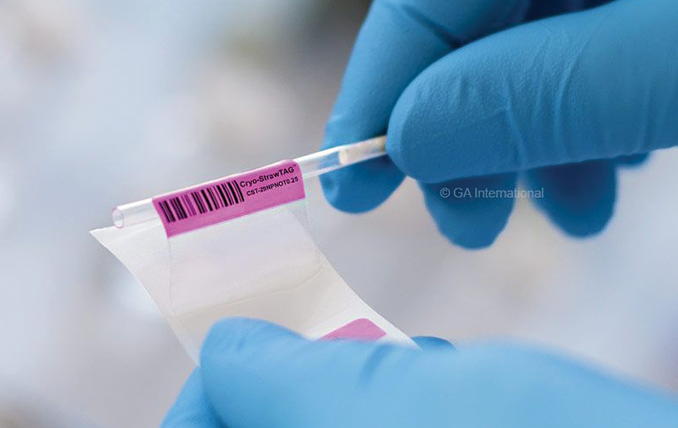
In vitro fertilization (IVF) clinics specialize in obtaining, storing, and culturing sperm and eggs from donors to generate live embryos. Because they handle large quantities of human-derived primary cells, these labs must be tightly regulated. The guidelines state that every device, including those used to cryogenically store sperm and eggs, must be clearly and permanently labeled with patient identification codes and the date the samples were taken. Many labs will also require that their devices have low levels of volatile organic compounds (VOCs).
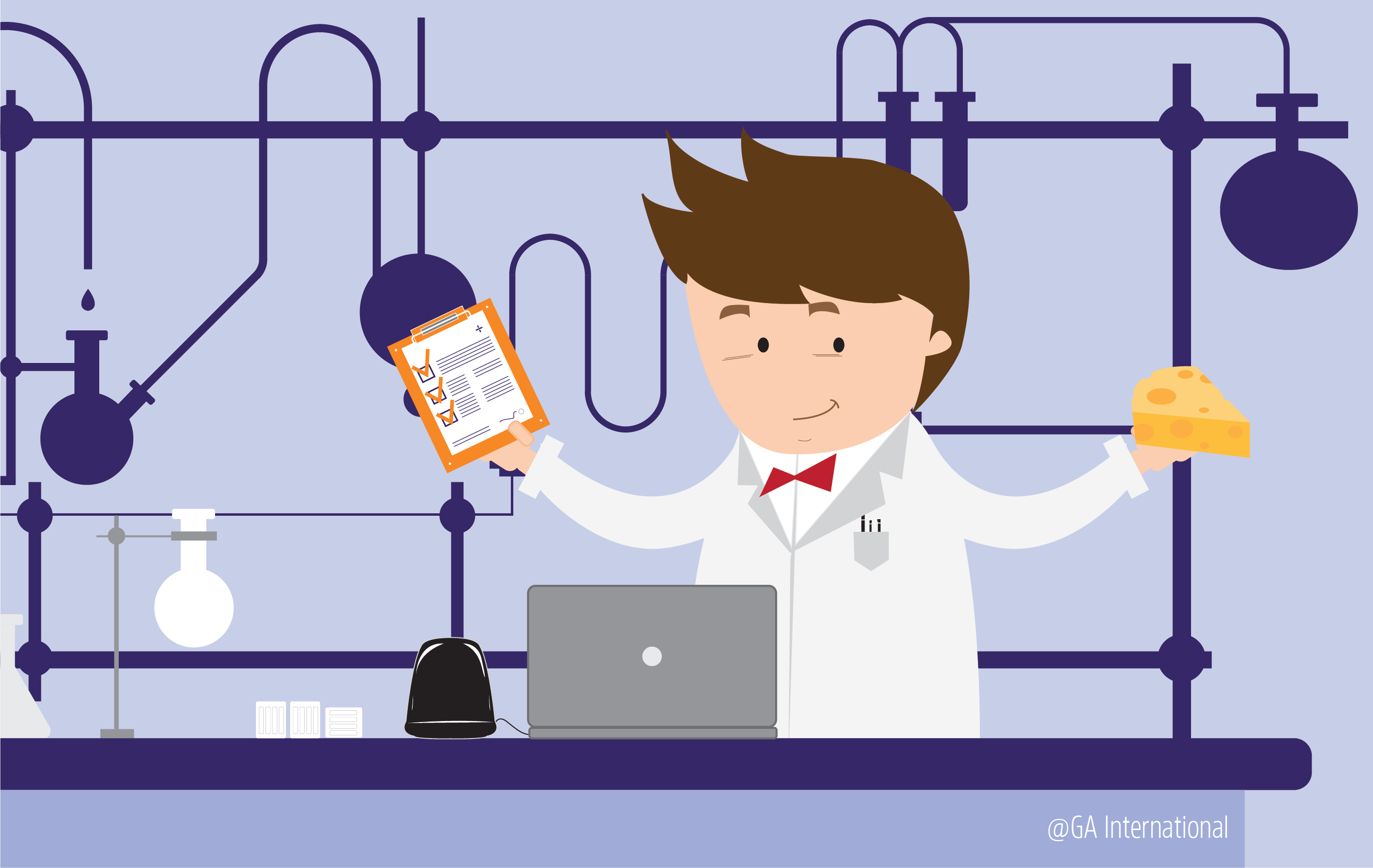
Keeping a productive lab running smoothly isn’t an easy thing to do. Below, we’ve listed several tips that can set your lab up for continued success, whether your grant deadlines are fast approaching or you’re dealing with an inordinate number of samples.
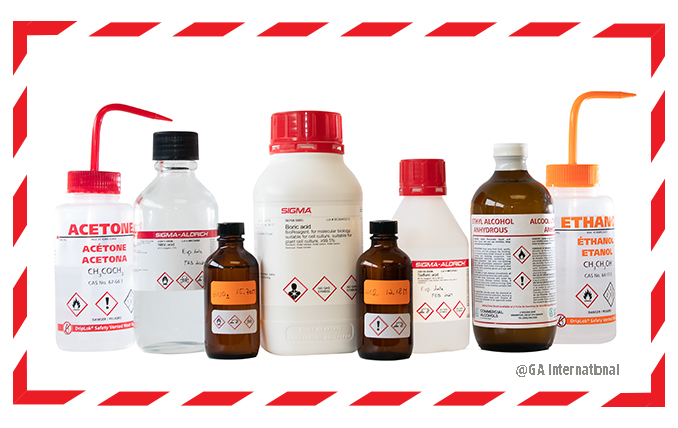
Developed by the United Nations, the Globally Harmonized System of Classification and Labeling of Chemicals (GHS) is a system of classifying the health, physical, and environmental hazards of chemicals to better maintain health and safety standards at the workplace. With so many countries utilizing different chemical classification systems, the GHS was implemented with the goal of having one unified system that would better promote worldwide regulatory efficiency.

Sample identification is critical to running a successful lab. However, there are a host of chemical substances that can ruin your labels, and by extension your experiments. We go over some of the most common of these compounds and how to keep them in check.

Whether you have banks of cell lines stored in liquid nitrogen or assay reagents constantly consumed, managing your inventory is necessary to keep your lab running smoothly. That means having processes and workflows in place to guarantee the lab is working at peak efficiency, as well as having the proper material and infrastructure to track and manage your assets. Below, we’ll discuss some of the ways you can efficiently manage your inventory and keep track of everything in your lab.

Syringes are one of the most integral tools of any medical institution. Primarily used for injectable medications, they are critical to proper patient care, as anesthesiologists depend on them to sedate and anesthetize. With that in mind, it’s important to consider that syringes, which may hold any number of different classes of drugs, need to be properly labeled with pertinent information, such as the name of the drug and its concentration, as mislabeled syringes could yield potentially dire consequences for those who are injected with the wrong substance or dose.

Errors occur every day in healthcare institutions and research facilities. Medical lab errors can be very costly, setting hospitals back hundreds (sometimes thousands) of dollars for every mislabeled sample, causing irreparable harm to the physical and mental health of the patient. Errors in research also have a broad impact, skewing results and wasting precious materials—which are often irreplaceable—and years of effort.