

Histology, the study of the anatomy of cells and tissues, is an important field of research used by researchers and physicians. While researchers seek to understand how each individual cell affects the function of tissues and organs, physicians study the histopathology of tissues, to see how they change in those affected by disease. Proper labeling of tissue samples at each step of the tissue preparation process is critical to the interpretation of histopathologic results, which are relied upon to correctly diagnose patients. However, histological techniques present unique obstacles for proper labeling that will often require innovative identification solutions to overcome.
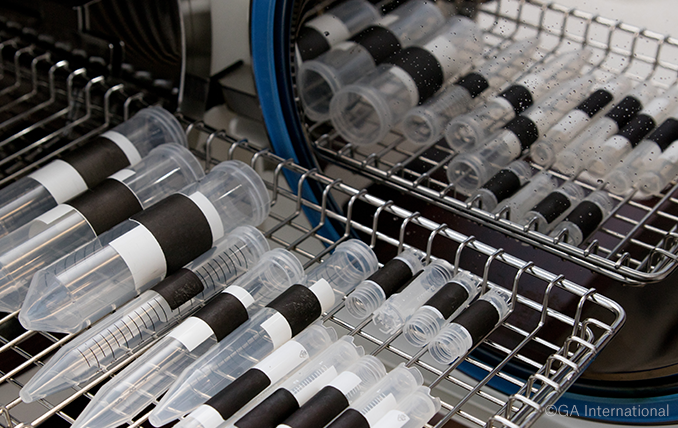
In both clinical and research labs, it is often necessary to label material or equipment with sensitive information. This can include patient information or confidential experimental data. Once the patient is discharged, or the samples are either processed or no longer needed, these labels must be discarded; however, the information on the labels must still remain private. In certain cases, this may prove to be more difficult than anticipated. Here are 3 unique label options to help ensure that discarded material can’t be used to procure sensitive information.

With medicinal as well as recreational cannabis being
legalized across North America in recent years, the industry has seen tremendous growth. However, while this has led to impressive profits for cannabis producers and distributors, it has also brought with it a host of new regulations and standards. This includes strict regulations on the identification of all plants and cannabis products at every stage of production and distribution.
Read More

A crowd-sourced, entirely cloud-based challenge, with the aim of developing and assessing new algorithms capable of identifying and correcting mislabeled samples using multi-omics data.

Whether you’re working in a small university research lab or for a large pharmaceutical company, saving money is a key priority. This includes saving on small expenditures, like labels, which can add up over time. Unfortunately, saving money isn’t as easy as pushing a button. Below you’ll find some tips you can follow to reduce costs when choosing your ideal labeling solution.
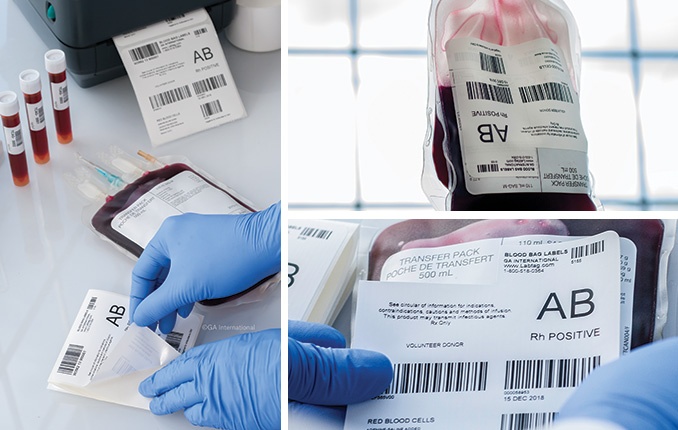
Healthcare institutions tend to use diverse systems for labeling specimens, each incorporating fail-safes at different levels of collection and processing. Many hospitals practice the Swiss cheese model of error prevention, using multiple layers (or fail-safes) to cover up any possible holes, preventing errors from slipping through.1 When it comes to reducing labeling errors, researchers have identified several types of interventions that act as additional fail-safes, many of them incorporating modern technology, such as barcodes, radio frequency identification (RFID), and automated systems.
For Part 1 of the series, detailing the costs of labeling errors in the clinic, click here.

Studying the real-time effects of labeling errors in the lab is extremely difficult. Billions of patient specimens, including blood and urine samples, as well as biopsies taken from multiple tissues and organs, are continually processed on a daily basis in clinical labs. Fortunately, several large-scale studies throughout the last 20 years have attempted to shed light on the clinical consequences of labeling errors in an effort to improve patient care and reduce healthcare costs worldwide.
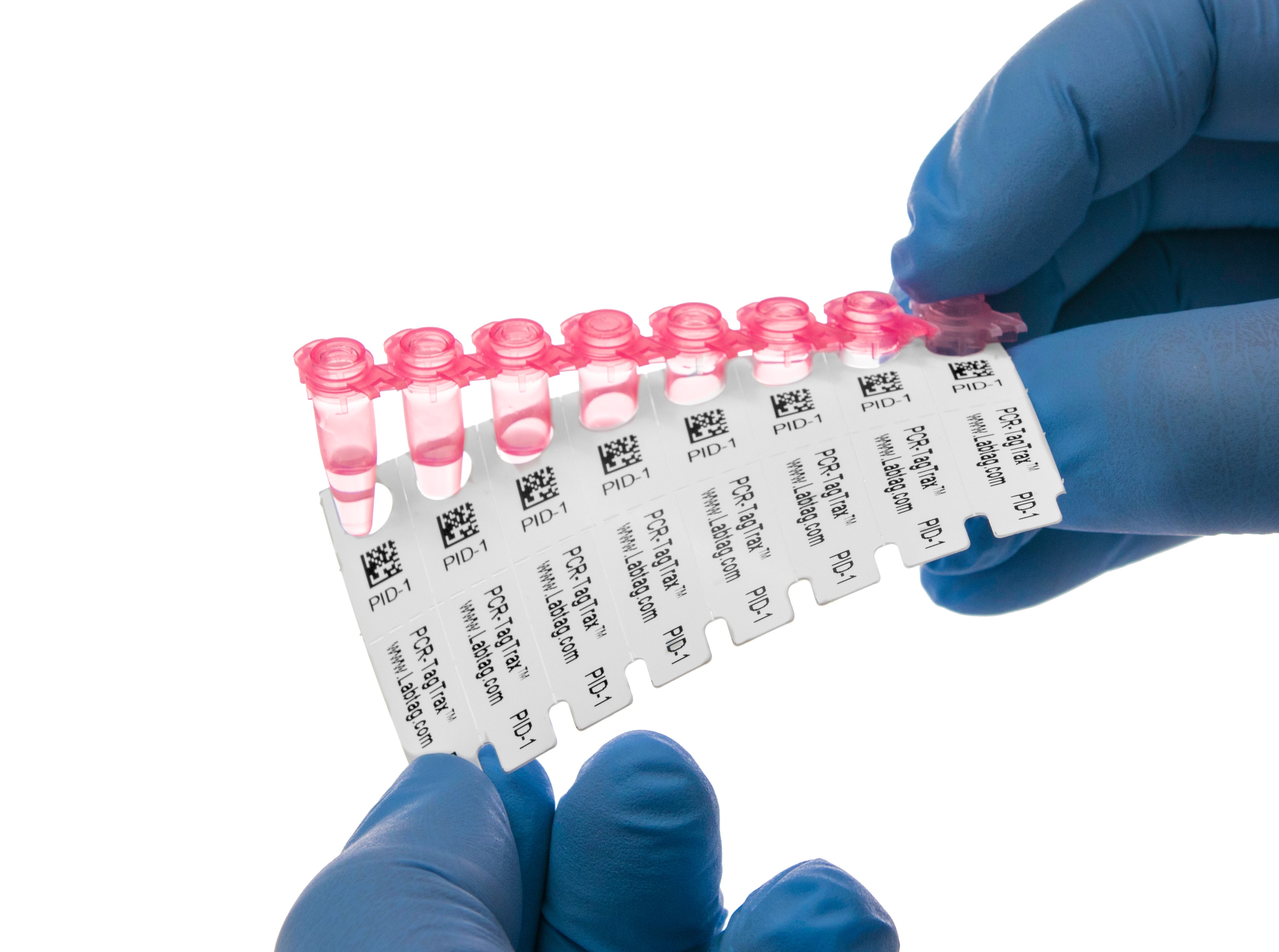
Polymerase chain reaction (PCR) is one of the most commonly performed laboratory procedures. This technique, used to amplify DNA or RNA sequences, is integral to a host of industries and environments, including healthcare, research, forensics, and agriculture. This powerful technique can be used to measure levels of gene activation, discover mutations in samples from patients with cancer, and identify sources of bacterial infection. However, despite recent advances in PCR technology, labeling PCR tubes remains problematic.
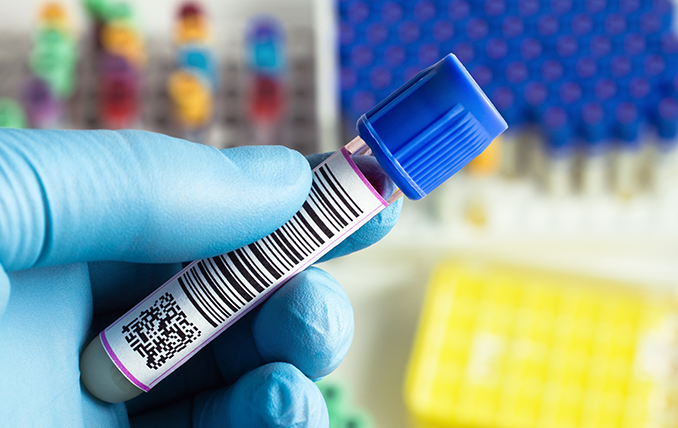
The continued globalization of clinical trials has created a new set of strategic, administrative, and linguistic challenges. This is in addition to the progressively more complex regulatory environment that the pharmaceutical industry must contend with, both locally and abroad. The use of labeling plays an important part in addressing these challenges but is often overlooked. Here, we will review some of the more prominent difficulties encountered during the clinical trial process and how the proper labeling solution can help.
