
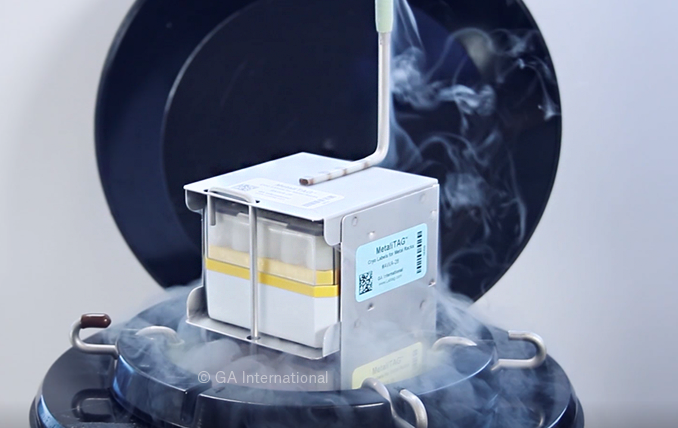
As any lab will attest, organizing your bank of cell lines is key to ensuring that your research runs smoothly and efficiently. However, this is easier said than done. How often do students and post-docs go searching for a specific cell line or passage number, only to discover that they cannot find what they’re looking for or that they’ve run out of the cells they need? Here are 4 simple ways that proper labeling can safeguard your lab against mismanaged cell line banking.

A crowd-sourced, entirely cloud-based challenge, with the aim of developing and assessing new algorithms capable of identifying and correcting mislabeled samples using multi-omics data.

Whether you’re working in a small university research lab or for a large pharmaceutical company, saving money is a key priority. This includes saving on small expenditures, like labels, which can add up over time. Unfortunately, saving money isn’t as easy as pushing a button. Below you’ll find some tips you can follow to reduce costs when choosing your ideal labeling solution.

The week of Black Friday is one of the few days of the year when you'll see people standing in lines that wrap-around the block just to buy a toaster. For those in the United States, just preparing and hosting Thanksgiving dinner can often be overwhelming. Many also venture out to shop the next day, Black Friday, and throughout the week as companies ratchet up their sales and aim to boost their profits. The name originated from the fact that the Friday after thanksgiving was the day retailer's accounts went from "in the red" (loss), to "in the black" (profit). The modern concept of Black Friday began in the 1950s to signal the start of holiday shopping season. It’s become a national phenomenon, with people crowding stores and consumers behaving in extreme ways. You would think people would prefer to shop with a bit more room to maneuver, but there’s some strong psychological factors at play, all working to drive consumers to buy more and more. Let's dive into the top 6 reasons.
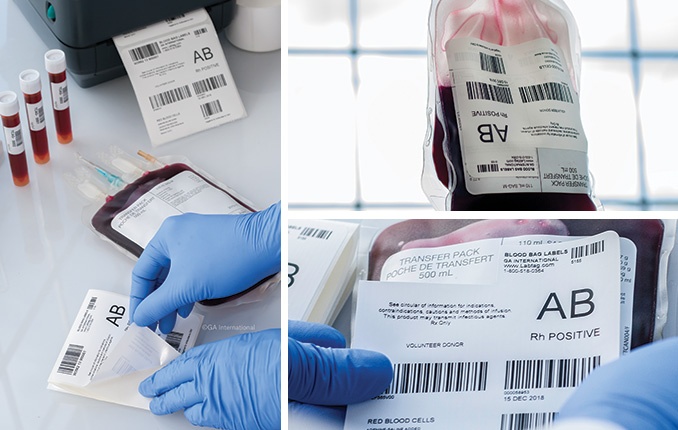
Healthcare institutions tend to use diverse systems for labeling specimens, each incorporating fail-safes at different levels of collection and processing. Many hospitals practice the Swiss cheese model of error prevention, using multiple layers (or fail-safes) to cover up any possible holes, preventing errors from slipping through.1 When it comes to reducing labeling errors, researchers have identified several types of interventions that act as additional fail-safes, many of them incorporating modern technology, such as barcodes, radio frequency identification (RFID), and automated systems.
For Part 1 of the series, detailing the costs of labeling errors in the clinic, click here.

Canada has recently passed new legislation legalizing cannabis throughout the country. Lineups at government-regulated stores were seen all over the country, with people eagerly awaiting legally sold marijuana for the first time ever in Canada. The demand is high, with many shops around Canada quickly selling out of many popular products on day 1. As the market is set to explode, the Canadian government has begun to invest heavily towards cannabis research, with the Canadian Institutes of Health Research funding around $20 million worth of projects within the last 5 years and ready to dole out another $3 million in the next few months.

Studying the real-time effects of labeling errors in the lab is extremely difficult. Billions of patient specimens, including blood and urine samples, as well as biopsies taken from multiple tissues and organs, are continually processed on a daily basis in clinical labs. Fortunately, several large-scale studies throughout the last 20 years have attempted to shed light on the clinical consequences of labeling errors in an effort to improve patient care and reduce healthcare costs worldwide.
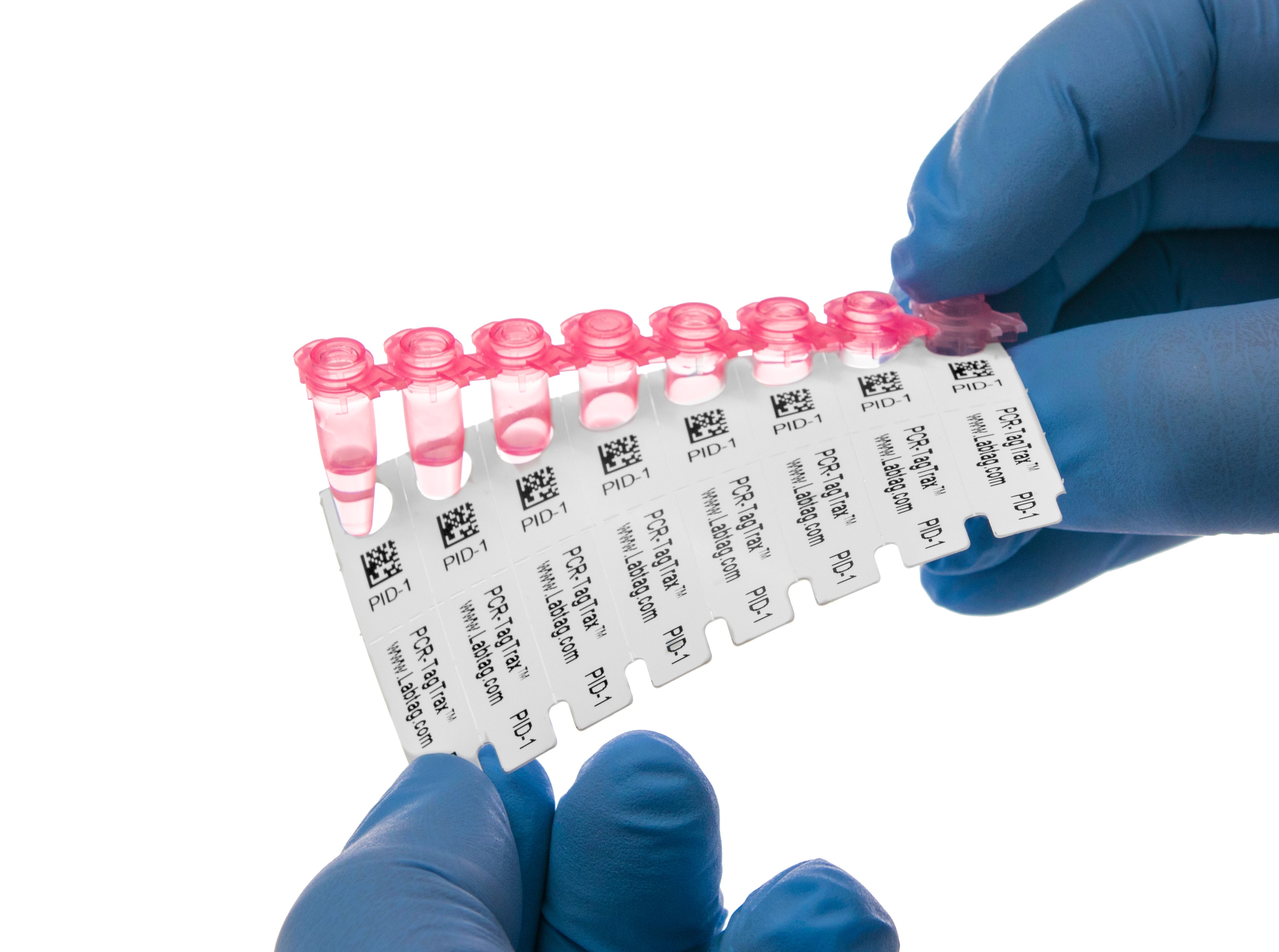
Polymerase chain reaction (PCR) is one of the most commonly performed laboratory procedures. This technique, used to amplify DNA or RNA sequences, is integral to a host of industries and environments, including healthcare, research, forensics, and agriculture. This powerful technique can be used to measure levels of gene activation, discover mutations in samples from patients with cancer, and identify sources of bacterial infection. However, despite recent advances in PCR technology, labeling PCR tubes remains problematic.
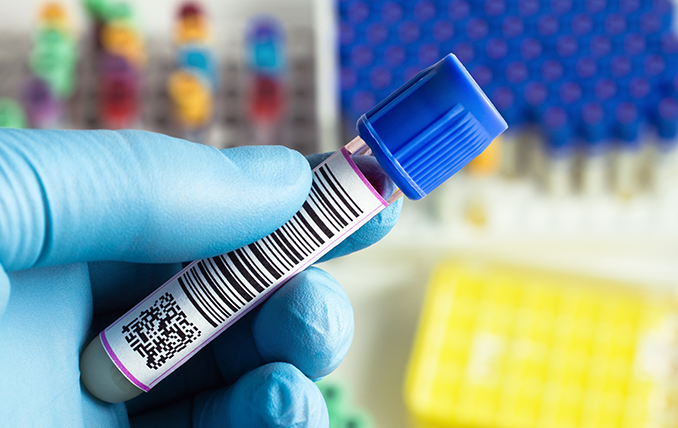
The continued globalization of clinical trials has created a new set of strategic, administrative, and linguistic challenges. This is in addition to the progressively more complex regulatory environment that the pharmaceutical industry must contend with, both locally and abroad. The use of labeling plays an important part in addressing these challenges but is often overlooked. Here, we will review some of the more prominent difficulties encountered during the clinical trial process and how the proper labeling solution can help.
